


If you heat your home with oil in Suffolk County, you already know the basics: tank runs low, you call for a delivery, heat keeps running. Simple enough until it is not. Until you are staring at a gauge closer to empty than you realized, it is February, and your delivery company is backed up for days.
That scenario plays out across Long Island every winter. It does not have to. Understanding how heating oil delivery works, the options available, how prices move, and what separates a reliable supplier from an unreliable one puts you in control. Here is everything you need to know.
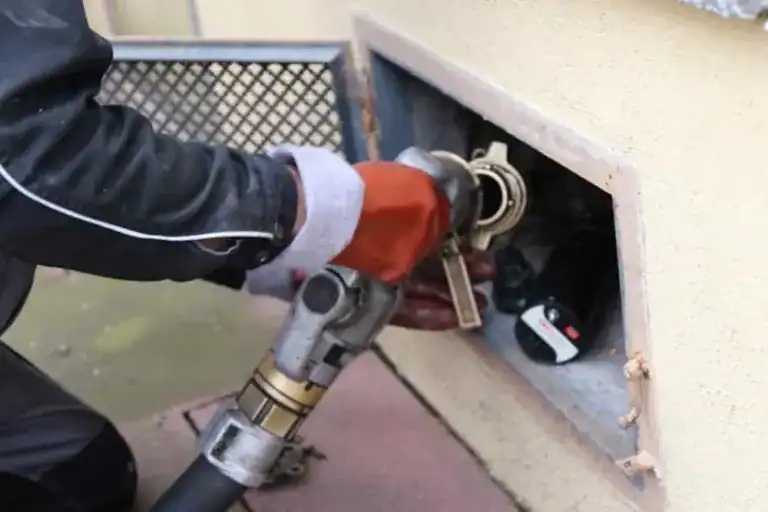
How Home Heating Oil Delivery Works In Suffolk County
There are two ways to receive heating oil in Suffolk County: automatic delivery and will-call delivery. Both are legitimate options. Which one makes sense for you depends entirely on how involved you want to be in managing your fuel supply.
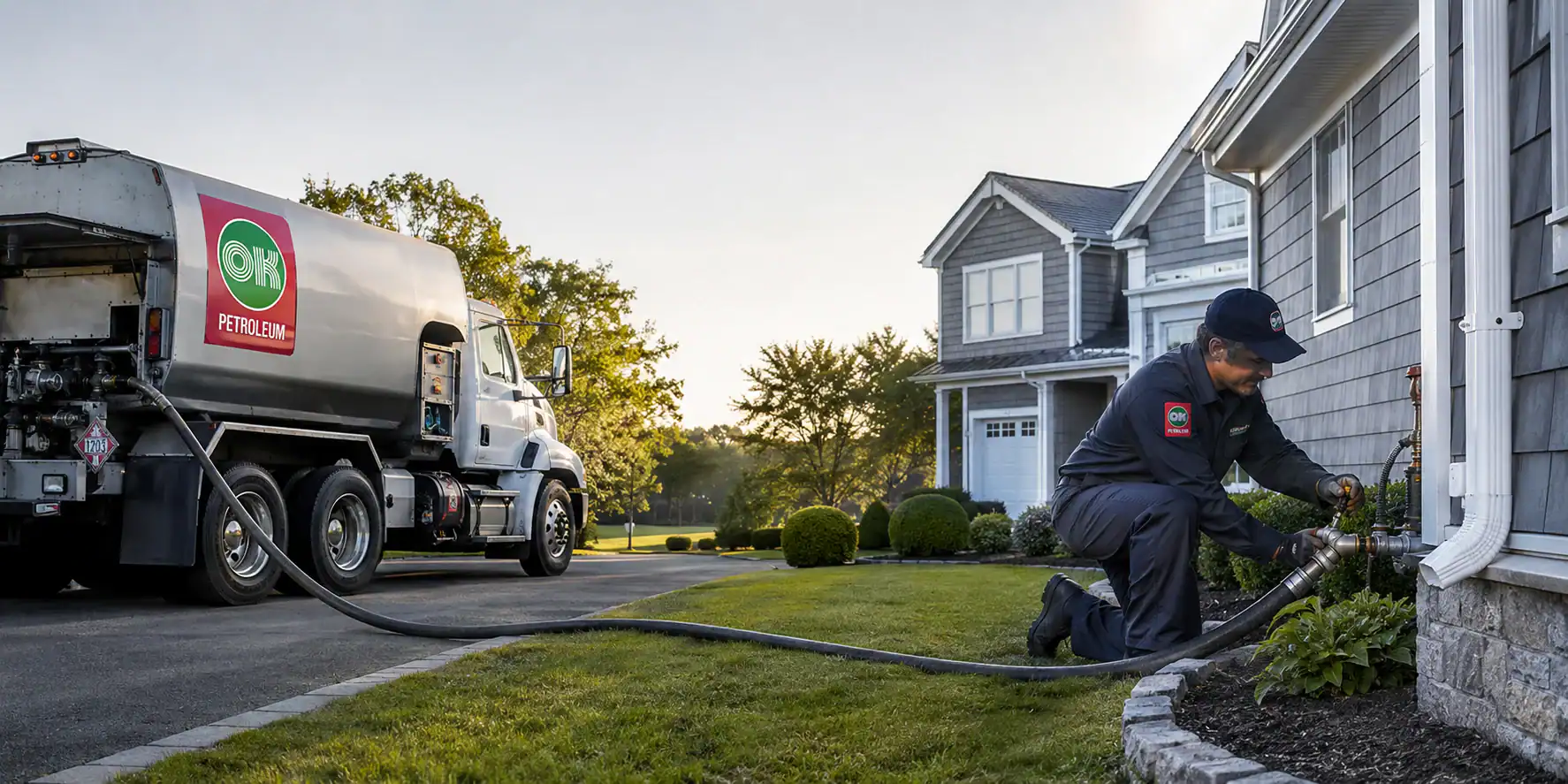
Automatic delivery takes the monitoring off your plate. A computer model tracks your usage history and local weather conditions, meaning when temperatures drop and your system runs harder, the model accounts for that and schedules your delivery before your tank gets low. You do not have to watch the gauge or remember to call. The delivery shows up, your tank stays full, and you get a confirmation in your inbox.
Will-call, or on-demand delivery, puts you in the driver's seat. You decide when to order, how many gallons you want, and when you want them delivered. It is a good fit for homeowners who want to time purchases around price dips, who have larger tanks and prefer to fill strategically, or who simply like being in control of what they spend and when.
What Is Automatic Heating Oil Delivery And Is It Right For You?
Automatic delivery gets a bad reputation it does not entirely deserve, usually from homeowners who have been failed by a company running a poor version of it. The concept is sound. A well-run automatic delivery program uses degree-day modeling: it tracks the relationship between outdoor temperature and your home fuel consumption over time, then uses that data to predict your next refill date with real accuracy.
The key word there is accuracy. A system that is just putting you on a calendar schedule, such as coming every 30 days, is not the same thing. That kind of blunt scheduling leads to run-outs during unusually cold stretches or unnecessary deliveries when January turns mild. A model reading weather data against your usage history operates differently.
For Suffolk County homeowners who commute into the city, travel frequently, or simply do not want fuel management on their mental checklist, automatic delivery is genuinely valuable. You set it up once, taking about two minutes online, and your deliveries manage themselves through the October-to-May heating season. You can pause, adjust, or cancel at any time from your account dashboard. There are no contracts and no penalties for changing your mind.
The peace of mind factor is real. Long Island winters are not gentle. Average January lows sit around 24°F, and when a nor'easter rolls through or a cold front parks over the Island for a week, your system runs hard. Knowing your tank is monitored, not by a calendar but by a model tracking the weather, changes the experience of winter entirely.
Will-Call Heating Oil Delivery: When Ordering On Your Own Terms Makes Sense
Will-call delivery is not just for people hunting the cheapest per-gallon price on any given Tuesday. It is a flexible option working well for a specific kind of homeowner: someone organized, attentive to the market, and seeking direct control over their heating fuel budget.
Here is the practical case for it. Heating oil prices in Suffolk County follow a predictable seasonal pattern. They tend to be at their lowest in the spring and early summer, roughly April through June, when demand across the Northeast drops off, terminals are well-stocked, and suppliers compete harder for business. They peak in December through February, when every household on Long Island draws from the same regional supply simultaneously. If you have a large tank and fill it in May, you buy at a fundamentally different price point than a neighbor calling in January because they run low.
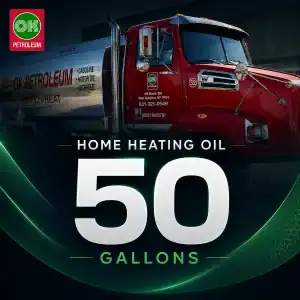
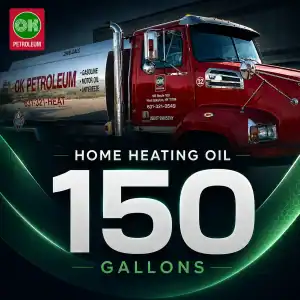
The math matters. Our volume pricing reflects this too, as a 200-gallon order averages around $2.859 per gallon, while a 50-gallon order averages around $3.669 per gallon. Ordering more, when the timing is right, compounds the savings. That is not a minor difference when buying several hundred gallons over a winter.
With our online ordering system, you can place a will-call order for anywhere between 50 and 500 gallons, specify the quantity, pay online, and finish. No phone calls or back-and-forth required. For homeowners wanting convenience without giving up control, it provides a clean solution. Because there are no contracts or extra fees attached to will-call delivery, you are not locked into anything and order when it makes sense for you.
What Drives Heating Oil Prices On Long Island And What You Can Do About It
Heating oil prices feel unpredictable because, in some ways, they are. Crude oil accounts for roughly 48% of the average price per gallon. Distribution and marketing costs make up about 37%. Refinery processing accounts for the remaining 15%. That means the majority of what you pay ties to global crude markets, something no local supplier controls.
What you can control is when you buy, how much you buy, and who you buy from. Those three decisions have more impact on your annual heating costs than most homeowners realize.
The supplier question matters beyond just price per gallon. A company that is $0.05 cheaper per gallon but delivers late, runs you dry, or hits you with hidden charges at the end of the season is not cheaper. The total cost of a heating oil relationship includes everything: emergency delivery fees, service gaps, and time spent managing problems that should not exist.
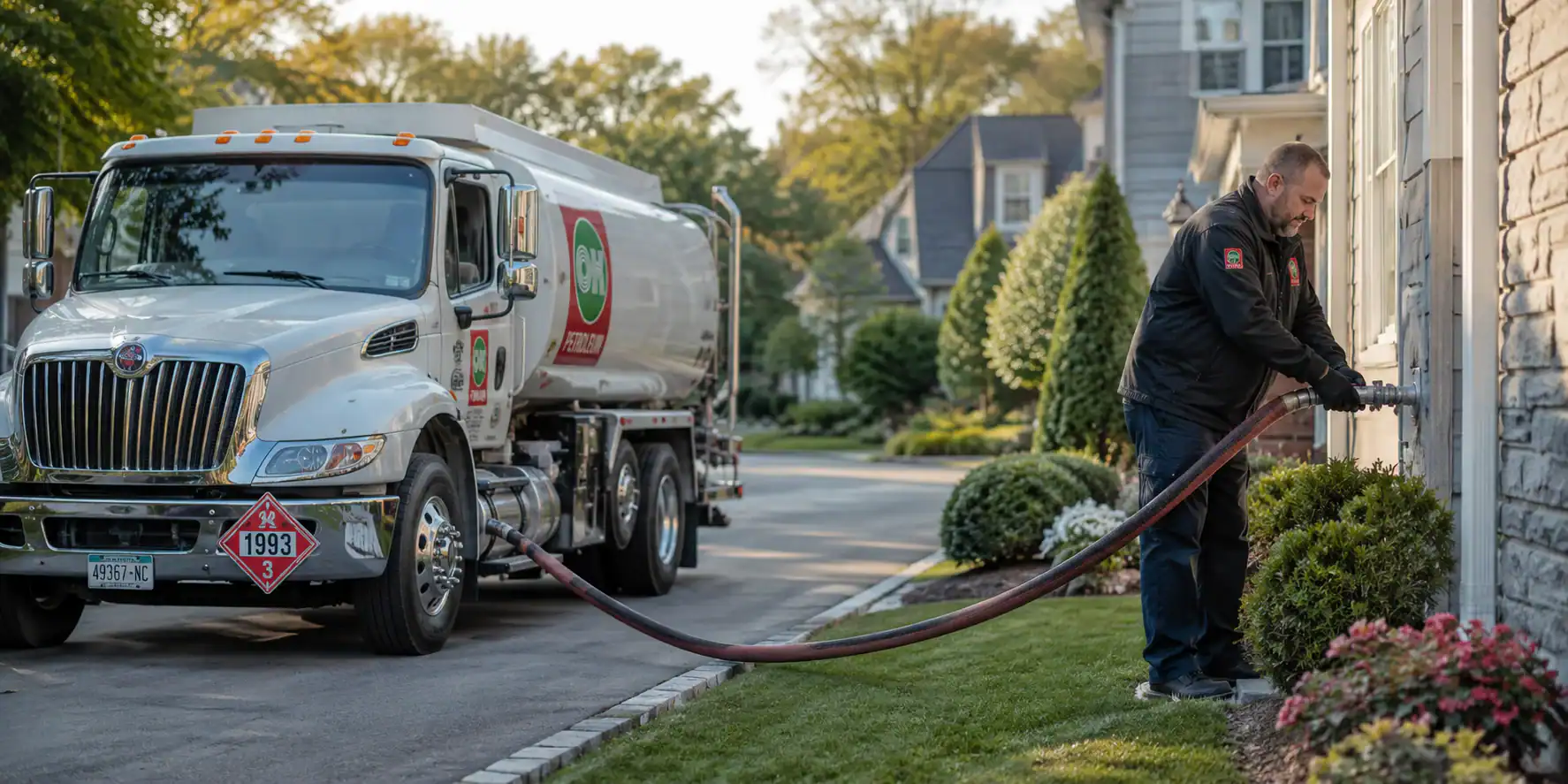
How To Read Heating Oil Prices In Suffolk County Without Getting Burned
NYSERDA, the New York State Energy Research and Development Authority, publishes weekly average home heating oil prices specifically for the Long Island region, covering Nassau and Suffolk Counties. That serves as your most reliable benchmark. When we quote you a price, you can check it against the NYSERDA weekly average to confirm you are in a reasonable range.
As of early 2025, prices increased about 6.15% from the start of the year, with national averages tracked by the U.S. Energy Information Administration hovering around $2.45 per gallon. New York residential prices ran higher, closer to $4.037 per gallon in January 2025, reflecting regional demand concentration across the Northeast.
This context shows there is no fixed right price for heating oil because the market moves. What matters is whether your supplier prices fairly relative to current market conditions, remains transparent concerning costs, and avoids layering on hidden surcharges.
Newers to heating oil in Suffolk County should note that all heating oil sold in Nassau and Suffolk Counties must contain a minimum 5% biodiesel blend, known as B5 Bioheat. This is a New York State mandate for downstate counties, meaning every compliant supplier delivers it as standard formulation. It burns cleaner, and any reputable Long Island company confirms their fuel meets this requirement without hesitation.
Price transparency also extends to volume handling. Buying more per delivery generally means paying less per gallon across the industry. The difference between a 50-gallon order and a 200-gallon order is meaningful, and ordering strategically during lower-demand periods reduces annual heating costs.
How To Choose A Heating Oil Company In Suffolk County You Can Trust
The Suffolk County heating oil market is crowded. You have national chains with Long Island depots, price aggregators comparing quotes, and local independents operating in specific towns for decades. Every provider claims competitive prices and reliable service, so evaluation requires looking closer.
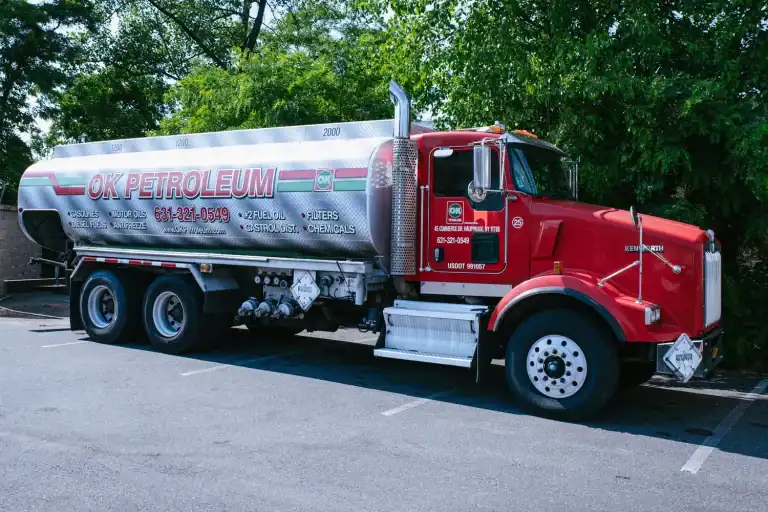
Start with longevity. A company delivering heating oil on Long Island since 1976, nearly 50 years, has a verifiable track record. Operating through energy crises, supply disruptions, and record-cold winters demonstrates real resilience.
Look for supply chain transparency. Sourcing fuel through third-party suppliers differs from operating a private fuel terminal. When demand spikes across the Northeast in January, companies lacking supply infrastructure sit at the back of the line. Operating our own fuel terminal on Long Island means controlling inventory without depending on spot supply.
Check for a Better Business Bureau rating. An A+ rating reflects how a company handles complaints, disputes, and customer issues independently over time.
Ask about contracts before signing. The best suppliers do not need to lock you in. We offer no-contract delivery for both automatic and will-call options.
Consider emergency response. When your burner fails at 11 p.m. in February, local representatives knowing your account matter. We answer locally and know our customers accounts.
Managing Home Heating Oil In Suffolk County Does Not Have To Be Complicated
Homeowners facing the worst heating oil experiences usually ran out of fuel during cold snaps, faced communication roadblocks, or encountered unexpected charges. Working with a dedicated supplier prevents these outcomes.
Understanding delivery options, seasonal price shifts, and choosing a trusted local company positions you differently from homeowners who call random neighborhoods providers.
Secure Your Winter Fuel Supply Today
Reach out to OK Petroleum Distribution today or check out our website to lock in reliable heating oil delivery, schedule your next fill-up, and keep your home comfortable all winter long!