


If you recently moved into an older home in Baldwin, Bethpage, or Plainview, there's a good chance you inherited an oil furnace — and an equally good chance nobody explained how it works. You know it heats your home. You know you need to order fuel. Beyond that, it's a metal box in the basement that you hope keeps doing its job.
That's how most people live with oil heat for years. It works fine, until it doesn't — and then the lack of basic knowledge makes a stressful situation worse. This page is here to fix that. Here's exactly how your heating oil furnace system works, what keeps it running well, and what to do when something seems off.
What Is a Heating Oil Furnace and How Does It Work?
A heating oil furnace is a forced-air heating system that burns fuel oil to generate heat, then pushes that heat through your home's ductwork using a blower fan. It's been the standard way to heat homes in the northeastern United States since the 1920s, and for good reason — it produces a high BTU output, performs reliably in extreme cold, and doesn't depend on a utility grid to function.
The system starts at your oil storage tank, which is typically located in the basement or outside the home. From there, a fuel pump draws oil into the combustion chamber, where it's atomized into a fine mist and ignited by an electric spark. That controlled burn heats a metal component called the heat exchanger. A blower fan then pulls cool air from your home across the heat exchanger, warms it, and pushes it through the ducts to every room.
The whole cycle is triggered by your thermostat. When the temperature drops below your set point, the thermostat signals the furnace to fire. When the target temperature is reached, it shuts back down. Simple in concept — but there are several components that need to be in good working order for the system to run efficiently.

The Main Components of an Oil Furnace System
Understanding the parts makes it much easier to recognize when something's wrong. The oil storage tank holds your fuel supply — most residential tanks in Nassau County hold between 275 and 330 gallons. The fuel pump draws oil from the tank and delivers it to the burner assembly at the right pressure.
The burner nozzle atomizes the oil into a fine spray before ignition, and it's one of the most maintenance-sensitive parts of the system. A clogged or worn nozzle is one of the most common reasons a furnace starts running inefficiently or cycling erratically.
The combustion chamber is where the actual burning happens. It's lined with refractory material designed to withstand intense heat, and over time, soot and carbon deposits can build up inside it — reducing efficiency and, if left unchecked, creating a safety issue. The heat exchanger sits adjacent to the combustion chamber and transfers heat to the air stream without mixing combustion gases into the air you breathe. A cracked heat exchanger is a serious problem and one of the primary reasons annual inspections matter.
The blower fan and air filter round out the air-side components. The filter catches dust, pet dander, and other particles before they circulate through the system. A clogged filter forces the blower to work harder, reduces airflow, and can cause the furnace to overheat and shut down on a safety limit. Changing or cleaning the filter regularly — at minimum once per heating season, more often if you have pets — is the single easiest maintenance task a homeowner can do themselves.
One thing worth knowing: if your home has an oil boiler rather than an oil furnace, the fuel side of the system works the same way. The difference is that a boiler heats water instead of air, and that hot water or steam circulates through radiators or baseboard units. The furnace vs. boiler distinction matters when you're talking to a technician, but from a fuel delivery standpoint, both systems run on the same heating oil.
What Is AFUE and Why Does It Matter for Nassau County Homeowners?
AFUE stands for Annual Fuel Utilization Efficiency. It's the standard measure of how efficiently a furnace converts fuel into usable heat, expressed as a percentage. An 84% AFUE rating means that for every dollar you spend on heating oil, 84 cents becomes heat in your home and 16 cents is lost through exhaust. A 95% AFUE furnace wastes only 5 cents per dollar.
For Nassau County homeowners, where heating systems run hard from October through March, that gap adds up. Upgrading from an older low-efficiency furnace to a modern high-efficiency model can save between $200 and $400 per year, depending on your usage. Most oil furnaces currently in use fall somewhere between 83% and 90% AFUE. The highest-efficiency oil furnaces available today top out at 95%.
It's also worth knowing that federal efficiency standards are changing. As of 2025, new residential furnaces must have at least 80% AFUE. That minimum is scheduled to rise to 95% in 2028. If your furnace is aging and you're thinking about replacement, that regulatory shift is worth factoring into your timeline — waiting until a furnace fails in the middle of February is never the ideal moment to start shopping.
One visible sign of efficiency loss is black smoke from the exhaust flue. It indicates incomplete combustion — fuel that's burning poorly and going to waste rather than heating your home. If you notice it, that's a signal to call a technician sooner rather than later. A well-maintained oil furnace, by contrast, should burn cleanly and quietly, with no visible smoke and no strong odor in the living space.
Oil Furnace Maintenance: What the Annual Tune-Up Actually Covers
Heating oil furnaces are durable. A well-maintained system can last 20 to 30 years — but that lifespan depends heavily on consistent annual servicing. This isn't a category where skipping a year or two because the furnace "seems fine" is a smart call. Problems in oil systems tend to compound quietly until they become expensive.
The good news is that annual maintenance is straightforward and predictable. It's also best scheduled in summer or early fall, before the heating season begins, when technicians are easier to book and there's no urgency pressure if something needs a part.
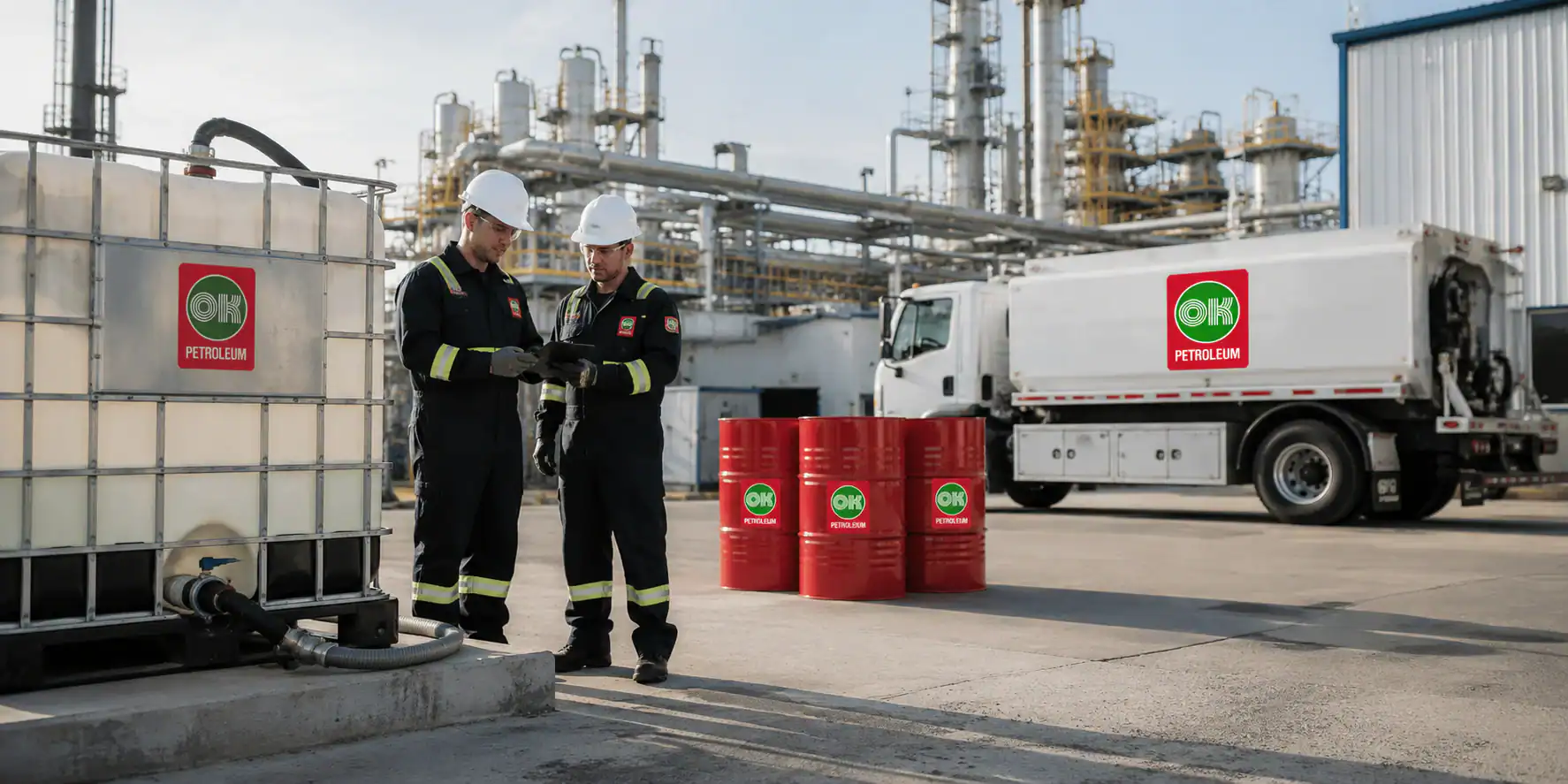
What Heating Maintenance Services Include for an Oil Furnace
A proper oil furnace tune-up covers several specific tasks that go well beyond a visual inspection. The burner nozzle is typically replaced annually — it's an inexpensive part, but a worn nozzle affects combustion quality and fuel efficiency in ways that quickly cost more than the nozzle itself. The technician will also clean the combustion chamber, removing soot and carbon deposits that accumulate over the course of a heating season.
Combustion testing is another key step. The technician uses instruments to measure the efficiency of the burn — checking the flue gas temperature, CO2 levels, and smoke reading. This data tells you whether your furnace is running at its rated efficiency or losing ground. If the numbers are off, adjustments to the air-fuel mixture can often bring it back into spec without major repairs.
The heat exchanger gets inspected for cracks or corrosion. The fuel line and pump are checked for proper pressure and any signs of leaks. The blower motor and belt (on older systems) are inspected and lubricated. The air filter is checked and replaced if needed.
The technician will also look at the oil tank itself — checking for signs of water contamination, which is a real issue in Nassau County's humid coastal climate and can cause fuel line problems and burner misfires. This is especially important for homeowners in areas closer to the water, where salt air and moisture accelerate tank corrosion.
Heating maintenance services for an oil furnace also typically include a check of the safety controls — the high-limit switch, the primary burner control, and the thermocouple or cad cell (the flame sensor that shuts the system down if ignition fails). These are the components that prevent a malfunction from becoming a hazard, and confirming they're working correctly is a non-negotiable part of any responsible tune-up.
For Nassau County homeowners with older homes — particularly the post-WWII housing stock common in areas like Bellmore, Garden City South, and Old Bethpage — annual maintenance is especially important. These systems have often been in place for decades, and while they can run reliably for a long time with proper care, they're less forgiving of neglect than a newer installation.
How to Buy Heating Oil in Nassau County: Automatic Delivery vs. Will-Call
Understanding your furnace is one thing. Making sure it actually has fuel is another — and this is where a lot of Nassau County homeowners run into trouble. The most common scenario: a busy week, a cold snap that drains the tank faster than expected, and suddenly the house is cold on a Wednesday night in January.
There are two ways to manage your heating oil supply, and they suit different types of homeowners. Automatic delivery takes the decision entirely off your plate. We use computer models to track your usage patterns and schedule deliveries before your tank runs low — you don't have to watch a gauge or remember to call. For homeowners who travel, have unpredictable schedules, or simply don't want to think about it, this is the approach that eliminates the risk of running out.
Will-call delivery, also called on-demand service, puts you in control. You decide when to order and exactly how many gallons you want. There are no contracts and no extra fees — you order what you need, when you need it, and pay for exactly that. Our online ordering system lets you specify the precise gallon amount and pay directly from home, without picking up the phone. We also have a mobile app available on both iOS and Android if that's easier.
For Nassau County homeowners who are budget-conscious and want to manage their spending carefully across the heating season, will-call gives you that control. For those who'd rather set it and forget it, automatic delivery provides the peace of mind that comes with knowing the tank is never going to run dry in the middle of a nor'easter.
One thing worth knowing: New York State requires that all heating oil delivered in Downstate counties — including Nassau — contain at least 5% biodiesel. This B5 Bioheat blend is already what's being delivered to your furnace, which means you're receiving a lower-emission, cleaner-burning fuel as the standard. We also offer low-sulfur options for homeowners who want to go further on that front. No furnace modifications required.
If you have questions about which delivery option fits your household, or you want to set up service before the heating season begins, you can reach us at (631) 321-0549.
What Nassau County Homeowners Should Know Before This Heating Season
Your oil furnace is a reliable, capable system — but only when it's properly maintained and consistently fueled. Understanding how it works puts you in a much better position to catch problems early, make smart decisions about servicing or replacement, and avoid the kind of no-heat emergency that always seems to happen at the worst possible time.
The short version: get your annual tune-up scheduled before the cold hits, know your AFUE rating so you can track efficiency over time, and have a delivery plan in place before October. Whether that's automatic delivery or will-call depends on how you prefer to manage it — but having a plan matters.
We've been delivering heating oil to Nassau and Suffolk County homes for over 40 years. If you're new to oil heat, switching suppliers, or just want to make sure you're set up before winter, OK Petroleum Distribution is ready to help.